“I just need a simple website for my business. How hard could it be?”
If you’ve ever had this thought, you’re not alone. Many small business owners, like yourself, dive into building an online presence only to be met with a labyrinth of technical terms, conflicting advice, and the often-mystifying distinction between “web design” and “web development.” What starts as a straightforward goal—getting your business online—quickly becomes a maze of decisions, leaving you frustrated and no closer to launching your digital storefront.
The truth? That feeling is completely normal. Most successful entrepreneurs excel at their core business—whether it’s crafting artisan furniture, providing expert legal services, or running a beloved local restaurant—not staying abreast of the latest web technologies.
Yet, in today’s digital-first world, your website is often the first impression customers have of your business. In fact, 75% of consumers judge a company’s credibility based on its website design. If your site looks outdated, unprofessional, or confusing, you risk losing potential customers before they even engage with your brand.
This comprehensive guide cuts through the confusion, explaining precisely what small business owners need to know about web design and development. We’ll demystify these critical components, offer practical insights to help you make informed decisions, and empower you to transform your website into a powerful tool for sustainable business growth.
What is Web Design for Small Businesses? (The “Look & Feel”)
Web design focuses on the visual aspects and user experience (UX) of your website—what your customers see, feel, and interact with when they visit. It’s the art and science of creating an attractive, intuitive, and user-friendly interface that authentically represents your brand and effectively guides your visitors.
For a small business owner, effective web design is paramount because it directly impacts customer perception and engagement. It encompasses:
- Visual Identity & Branding: Crafting a cohesive visual language (colors, fonts, imagery) that aligns perfectly with your brand’s personality and values.
- User Experience (UX) Design: Strategically structuring information and navigation paths to ensure visitors can easily find what they’re looking for, leading to a smooth and enjoyable journey.
- User Interface (UI) Design: Designing interactive elements like buttons, forms, and menus to be intuitive and aesthetically pleasing.
- Responsive Design: Ensuring your website looks and functions flawlessly across all devices and screen sizes (desktops, laptops, tablets, smartphones).
- Conversion-Oriented Layouts: Arranging content and calls-to-action (CTAs) to subtly guide visitors toward desired actions (e.g., making a purchase, filling out a form, calling your business).
Good web design isn’t just about making your site look pretty—it’s about strategic choices that drive conversions and build trust. When visitors can easily navigate your site and enjoy the experience, they are significantly more likely to engage and become paying customers.
How Web Development Drives Success (The “Behind-the-Scenes” Functionality)
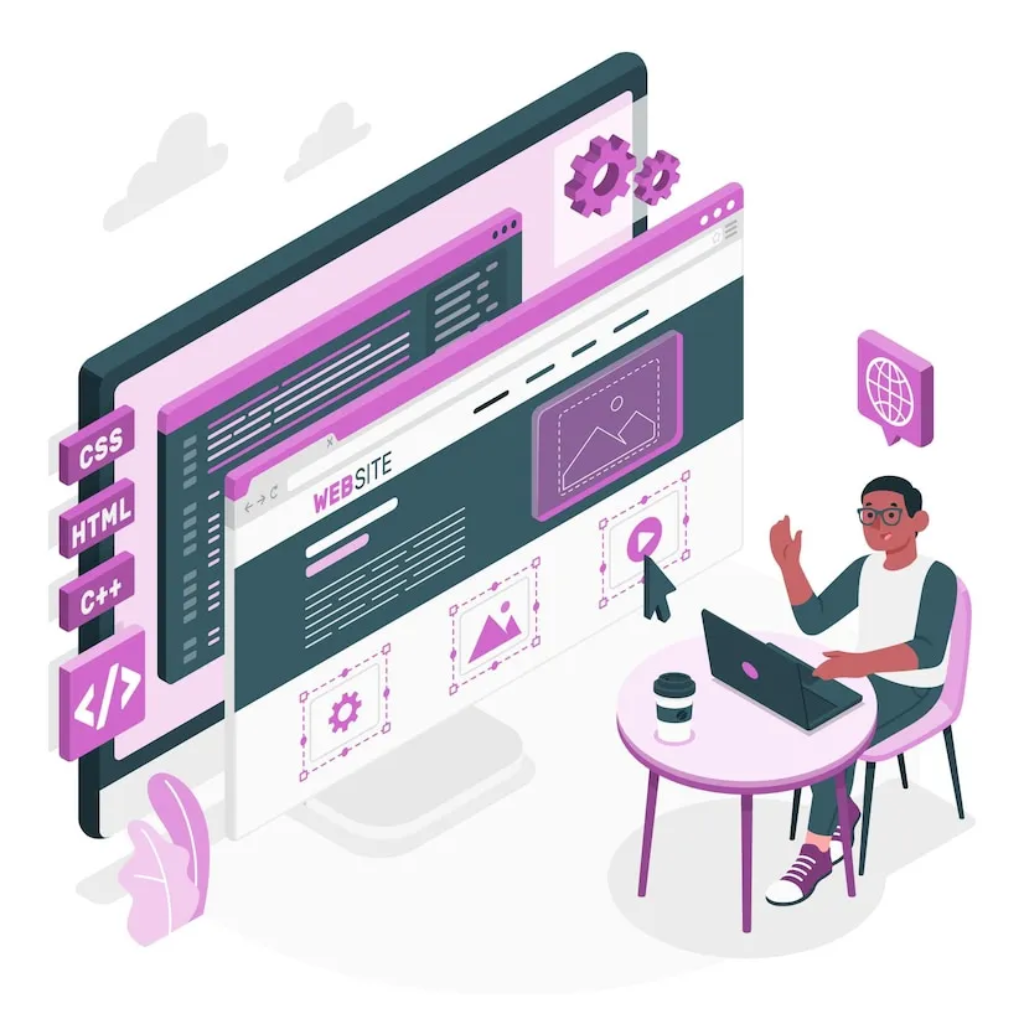
While web design lays out the blueprint and aesthetics, web development is about bringing those designs to life through code. It’s the engineering backbone that covers everything that happens “behind the scenes” to make your website functional, secure, and performant.
For small businesses, robust web development provides the essential infrastructure for an effective online presence:
- Front-End Development: Translating the visual design into interactive elements using languages like HTML, CSS, and JavaScript, ensuring the user interface works as intended in browsers.
- Back-End Development: Building the server-side logic, databases, and applications that power your website’s dynamic features, such as e-commerce functionality, user accounts, and content management systems (CMS).
- Database Management: Securely storing and retrieving critical information, like product inventories, customer data, and blog posts.
- Integrations: Seamlessly connecting your website with essential third-party business tools (e.g., payment processors like Stripe/PayPal, CRM systems like HubSpot, email marketing platforms like Mailchimp).
- Performance Optimization: Implementing techniques to ensure lightning-fast loading times, which are crucial for user retention and SEO.
- Security Implementation: Protecting your business and customer data from cyber threats through robust security measures and protocols.
- Custom Functionality: Developing unique features tailored to your specific business needs that off-the-shelf solutions cannot provide.
Even the most beautiful website design will fail if the underlying development is poor. Slow loading times, broken links, non-functional forms, or security vulnerabilities can quickly drive customers away, damage your brand reputation, and directly impact your bottom line.
Key Differences: Web Design vs. Web Development (Architect vs. Builder Analogy)
Understanding the distinct roles of web design and web development is crucial for making informed decisions about your website project.
Think of web design as the architect’s blueprint and interior design of a building. It focuses on aesthetics, layout, flow, and how people will experience the space.
Think of web development as the actual construction and engineering of the building. It focuses on the structural integrity, plumbing, electrical, and all the systems that make the building functional and safe.
Feature | Web Design (Front-End Focused) | Web Development (Front-End & Back-End) |
Primary Goal | Visual appeal, user experience, brand representation | Functionality, performance, security, data management |
Core Questions | “How does it look?” “How does it feel to use?” “Is it intuitive?” | “How does it work?” “Is it secure?” “Is it fast?” “Can it handle X action?” |
Key Elements | User Interface (UI), User Experience (UX), Wireframing, Prototyping, Color schemes, Typography, Layout, Navigation structure, Imagery, Iconography | HTML, CSS, JavaScript (Front-End), Python, PHP, Ruby, Java (Back-End), Databases (SQL, NoSQL), APIs, Server Configuration, Security protocols, Performance optimization, CMS integration |
Analogy | Blueprint, interior decoration, exterior facade | Foundation, framing, plumbing, electrical, HVAC systems |
Both disciplines are essential and work best when planned and executed collaboratively from the very beginning of a project.
Is your business website turning customers away instead of bringing them in? Slow loading times, security vulnerabilities, or poor functionality can cost you more than you realize. Let our experts build a website that not only works seamlessly but also drives results and grows your business—explore our web development and design services today.
Best Practices for Small Business Website Design and Development
Adhering to industry best practices ensures your website is a powerful asset, not a liability.
Web Design Best Practices for Small Businesses:
- Mobile-First Design (or Responsive Design): With over 60% of global web traffic originating from mobile devices, your website must look and function perfectly on smartphones, tablets, and desktops. Start designing for the smallest screen first.
- Clear Call-to-Actions (CTAs): Every page should strategically guide visitors toward a specific, desired action (e.g., “Shop Now,” “Get a Free Quote,” “Contact Us,” “Download Our Ebook”). Make them prominent and actionable.
- Consistent Branding: Your website is a core extension of your overall brand identity. Maintain consistent colors, fonts, messaging, tone of voice, and visual elements across all pages to build recognition and trust.
- Fast Loading Speed (Under 3 Seconds): Users expect pages to load almost instantly. Aim for a load time under 3 seconds—anything longer significantly increases bounce rates and negatively impacts user experience and SEO.
- Accessibility: Design your website to be usable by people with disabilities (e.g., screen readers, keyboard navigation). This expands your audience, improves usability for everyone, and positively influences SEO.
- Intuitive Navigation: Make it easy for visitors to find information. Use clear, concise menu labels and a logical site structure.
Web Development Best Practices for Small Businesses:
- SEO-Friendly Structure & Clean Code: A well-coded website, with proper HTML semantics, sitemaps, and optimized URLs, makes it significantly easier for search engines (like Google, Bing, Perplexity AI) to crawl, index, and understand your content, leading to better rankings.
- Robust Security Implementation: Protect your business and customer data with SSL certificates, regular security audits, firewalls, and secure coding practices to prevent breaches and maintain trust.
- Performance Optimization: Beyond just fast loading, this includes efficient code, optimized images (compressed, proper formats), browser caching, and content delivery networks (CDNs) for global reach.
- Scalability: Ensure your website’s architecture can handle increased traffic and new features as your business grows, avoiding costly rebuilds down the line.
- Regular Updates & Maintenance: Websites are not “set it and forget it.” Ongoing maintenance, software updates (CMS, plugins), security patches, and backups are critical for security, performance, and longevity.
- Cross-Browser Compatibility: Your website should function correctly across all major web browsers (Chrome, Firefox, Safari, Edge) to ensure a consistent experience for all users.
By diligently following these best practices, small businesses can create websites that not only look professional but also function flawlessly, drive real business results, and serve as a strong foundation for future growth.
The ROI of Professional Web Design and Development for Small Businesses
Investing in professional web design and development might seem like a significant upfront cost for a small business. However, consider the substantial return on investment (ROI) it delivers:
- Increased Credibility & Trust: As mentioned, 75% of consumers judge a business’s credibility based on its website design. A professional site instantly builds trust, making potential customers more comfortable engaging with your brand.
- Higher Conversion Rates: Well-designed and developed websites, optimized for user experience and clear calls-to-action, can achieve conversion rates up to 400% higher than poorly optimized sites. This means more leads, sales, and appointments.
- Better Search Engine Rankings & Visibility: Properly structured and optimized websites (both technically and in content) rank higher in Google and other search engine results, driving more organic (free) traffic and potential customers to your door.
- Reduced Bounce Rates & Increased Engagement: A fast, intuitive, and visually appealing website encourages visitors to stay longer, explore more pages, and interact with your content, significantly reducing bounce rates and improving their chances of conversion.
- Competitive Advantage: In a crowded market, a superior website can differentiate your small business from competitors, establishing you as a leader in your niche.
- Long-Term Cost Savings: While DIY or cheap solutions might save money initially, they often lead to greater costs in the long run due to lost business, security vulnerabilities, difficult updates, and eventual need for a complete rebuild.
For small businesses operating on tight budgets, it’s tempting to choose the cheapest option or attempt a DIY solution. However, a poorly designed or developed website can cost you far more in lost business, damaged reputation, and missed opportunities than you saved on the initial investment. View your website as an investment in your business’s future, not just an expense.
Common Web Design and Development Mistakes Small Businesses Must Avoid
Learning from common pitfalls can save you significant time, money, and frustration.
- DIY Without Expertise (or Relying Solely on Basic Templates): While website builders like Squarespace or Wix offer ease of use, they often lack the customization, robust SEO capabilities, and specialized functionality needed for aggressive business growth. True expertise goes beyond drag-and-drop.
- Focusing Purely on Aesthetics Over Functionality: A visually stunning website is great, but if it’s slow, buggy, difficult to navigate, or lacks essential features, it will ultimately drive customers away. Functionality and user experience must take precedence.
- Neglecting SEO During Development: Search engine optimization is not an afterthought; it should be integrated into your website’s architecture, content strategy, and development process from the ground up. Retrofitting SEO is far more challenging and less effective.
- Not Having a Clear Goal for Your Website: Every business website should have defined, measurable conversion goals (e.g., increase online sales by 20%, generate 50 leads/month, improve contact form submissions). Without clear objectives, your website becomes just an online brochure.
- Skipping Mobile Optimization: This is no longer optional. If your site doesn’t provide an excellent experience on mobile devices, you are alienating the majority of potential customers and risking Google penalties.
- Ignoring Website Security & Maintenance: A static website is a vulnerable website. Neglecting regular updates, security patches, and backups can lead to hacking, data loss, and severe damage to your business reputation.
- Poor Content Strategy: Even the best design and development can’t compensate for thin, unhelpful, or poorly written content. Your website content needs to be informative, engaging, and optimized for both users and search engines.
How to Choose the Right Web Design and Development Partner for Your Small Business
Finding the ideal partner for your website project is a critical decision that will impact your online success for years to come. Here’s what to look for:
- Portfolio of Relevant Projects: Do they have a strong portfolio, particularly showcasing work with businesses in your industry or with similar project scopes? This indicates experience and understanding of your specific needs.
- Clear & Transparent Communication: Do they explain technical concepts in terms you can understand, without excessive jargon? Are they responsive, proactive, and transparent about their processes, timelines, and pricing?
- Comprehensive Services (Design & Development): Ideally, choose a partner who can handle both web design and web development. This ensures seamless integration, a cohesive final product, and avoids potential communication breakdowns between separate teams.
- Focus on Your Business Goals: A good partner will ask about your business objectives, target audience, and competitive landscape before suggesting solutions. They should view your website as a strategic tool for growth.
- Ongoing Support & Maintenance: What happens after your website launches? Do they offer post-launch support, maintenance plans, security updates, and performance monitoring? A long-term partnership is invaluable.
- Client Testimonials & Case Studies: What do other small businesses say about working with them? Look for evidence of client satisfaction, measurable results, and successful project completions.
- Understanding of SEO & Digital Marketing: Your website needs to be built with search engines in mind. Ensure your partner understands fundamental SEO principles and how to integrate them into the design and development process.
- Scalability & Future-Proofing: Discuss how they approach building websites that can grow with your business, allowing for future additions and evolving technologies.
The right partner will act as an extension of your team, understanding your business goals and translating them into an effective, results-driven website that serves as a powerful foundation for your digital presence.
Conclusion: Integrating Design and Development for Small Business Success
Web design and web development are not separate entities; they are two sides of the same coin, intrinsically linked in creating a successful online presence. The most impactful small business websites are the result of close collaboration and a unified strategy between designers and developers throughout the entire project lifecycle.
By truly understanding the value of both disciplines and how they harmoniously work together, you can make informed, strategic decisions about your online presence. Remember, your website is often the very first impression potential customers have of your business—make it count with professional, user-centric design and solid, secure development.
Whether you’re embarking on building a brand-new website or significantly enhancing an existing one, prioritize creating an online presence that not only authentically represents your brand but also actively helps you achieve your specific business objectives and drives sustainable growth.